Don’t panic (but…)

It reads like the script of some disaster movie. A luxury cruise ship, full of 91 posh people (and 61 crew) from 23 countries, taking in some of the most amazing sights (and sites) of the Southern Hemisphere.

And then a deadly viral outbreak onboard. “Ebola-lite”, as one news outlet inaccurately described it.
One guy dies, his wife tries to escape through the biggest airport in Africa, but collapses as she tries to fly home. She dies.
There’s then a third death on board.
And a British man is in ICU in Johannesburg (quite a long way from where the ship actually docked, which wasn’t actually in SA at all).

On board, stuck just off the coast of Cape Verde, the rest of the passengers and crew are forced to isolate as they wait out the incubation time of the virus, which has a mortality rate of 30-60%. More people are ill, but the local hospitals don’t have the facilities to treat them, and the local Health Minister isn’t allowing anyone from the ship near the islands.

Understandable.

There’s a travel blogger on board, and it’s said that there’s no such thing as bad publicity, perhaps being part of an as yet uncontrolled outbreak of severe, often fatal respiratory disease on a small, densely-packed ship might reasonably be seen as an exception to that rule.

So… anything to worry about in SA?

Nah. Surely not for us. The boat is in Cape Verde: way, way up the West Coast from here.

In a statement on Monday, the Health Department of South Africa said:

In our view, there is no need for the public to panic because only two patients from the cruise ship have been within our borders.

And of course the guy in the ICU in Joburg was brought there under very controlled conditions.

It’s just the woman that collapsed at the airport, then. The woman whose husband probably died of Hantavirus: the woman who collapsed at OR Tambo and who then died (probably of Hantavirus) in hospital soon afterwards.

Thankfully, no issues here, because it’s just a bit of contact tracing, which will obviously have been done quickly and efficiently and… I’m sorry? What?

The only challenge is that we need anyone who came in contact with the two patients to come forward for screening and testing to check if they are not infected yet.

Right.

It’s been a week, guys. This really isn’t great news at a major international airport and with a virus with an incubation period of 2-3 (but sometimes up to 8) weeks.

Mind you. When it comes to burying one’s head in the sand…

Three deaths from severe respiratory illness, one patient in ICU with severe respiratory symptoms – and who has tested positive from Hantavirus – and two crew members exhibiting severe respiratory symptoms, and the cruise company is still saying that the cases might not be linked:

Hantavirus has not currently been confirmed in the two persons still on board who require medical care. Nor has it been established that the virus is connected to the three deaths associated with this voyage. The exact cause and any possible connection are being investigated.

I’ve seen this approach before somewhere…

Ah yes:

Obviously, there’s not a microbiologist or an epidemiologist anywhere in the world that thinks that these cases might – just possibly – be connected. Obviously.

All perfectly normal. Obviously.

I mean, you hope that this is all done now. But there’s no reason why it should be. We’re still within one month of the ship’s departure from Argentina – a country which…

…reports approximately 100 cases of Hantavirus Pulmonary Syndrome annually, with notable risks of rare human-to-human transmission, distinct from other global hantaviruses.

It’s going to be interesting couple of weeks ahead.
If the rain in the Western Cape could just calm its tits a bit, that would be great

OK, disclaimers first. I know that it’s autumn. I know that it’s meant to rain from about now through until the end of August if we’re lucky. I know that we need the rain to fill up the dams so that we can have water in the summer. And I know that if it doesn’t rain all in one go, then it will have to rain all the time, and that’s not great.

But…

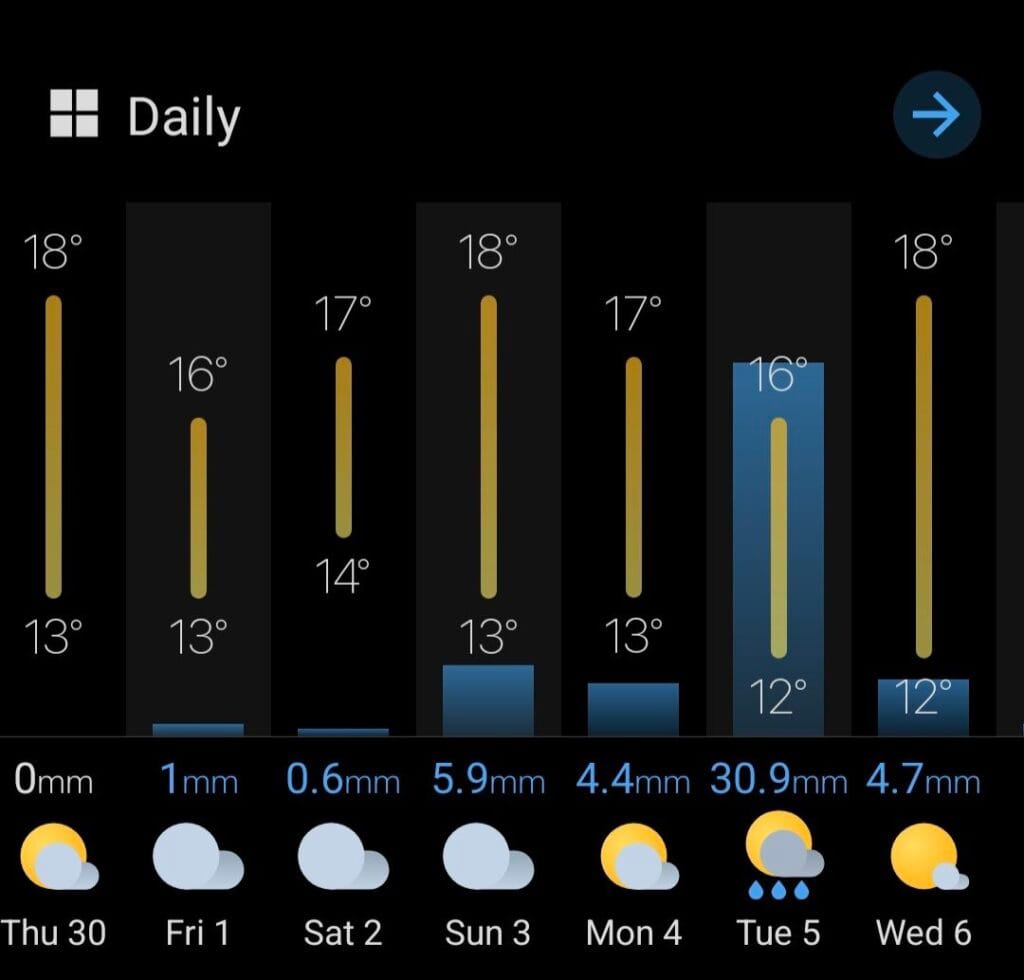
Another 31mm on a single day?

Is this the way that things are going to work from now on? 4 miserable days in a row, one of them with added flood risk?

I’m just asking so that I can try to adjust to this new normal.
And sort out the waterproofing in my garage.

Or is there perhaps a plan to get all the rain done by June and then have an extra two months of summer? Obviously, that is not going to happen, and it would have a horrific effect on agriculture and wildlife if it did. But an extra 8 weeks of sunshine would please a lot of people. Just saying.

Either way, if thing keep going like this, we’re going to have the dams back up at 100% well in time for next summer.
Whenever that might start.

Public Holiday recap

It’s Freedom Day today, giving a nod to 32 South African years since the first democratic elections back in 1994. There are many, many things that you can argue could have been done differently in the intervening period, but so as to be able to celebrate the good bits therein, we get the day off.

So how did we spend it?

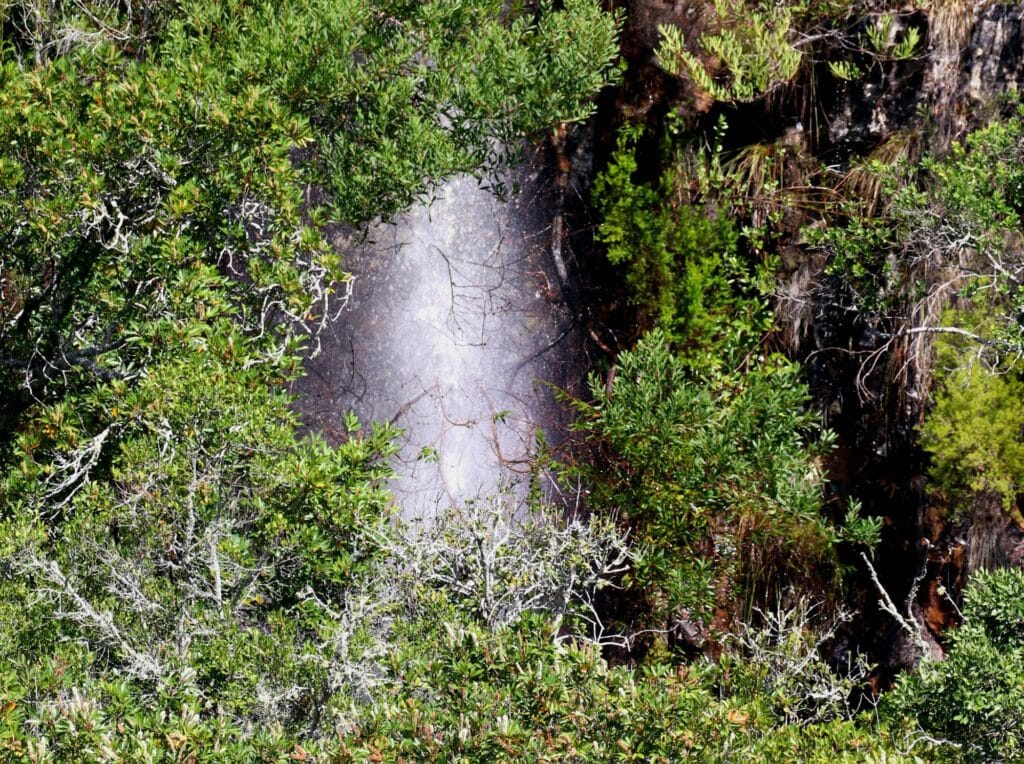
Well, after gym (which wouldn’t have been quite so high on my agenda had I known what was coming), there was a walk on the mountain, enjoying the waterfalls:

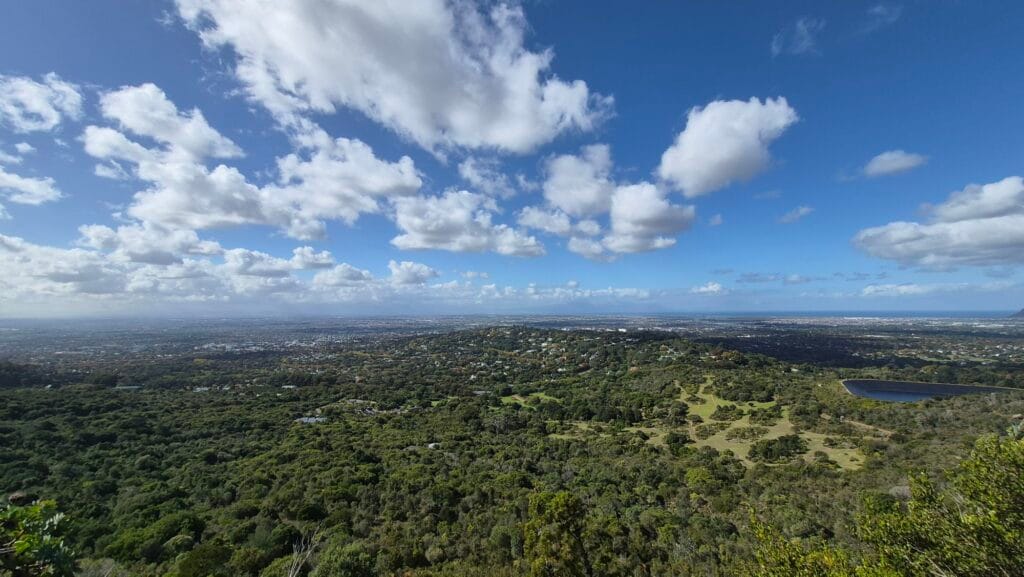
…and overlooking the leafy green suburbs of Newlands and Fernwood.

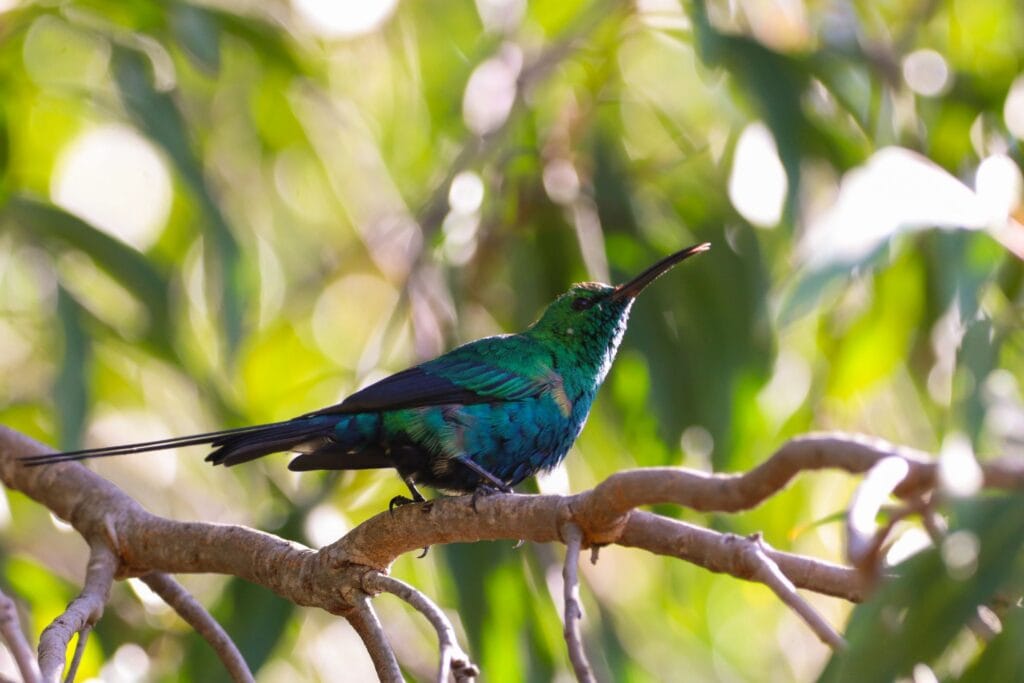
Before dropping down into Kirstenbosch Gardens (mid right of the photo above) where we found a Malachite Sunbird (Nectarinia famosa):

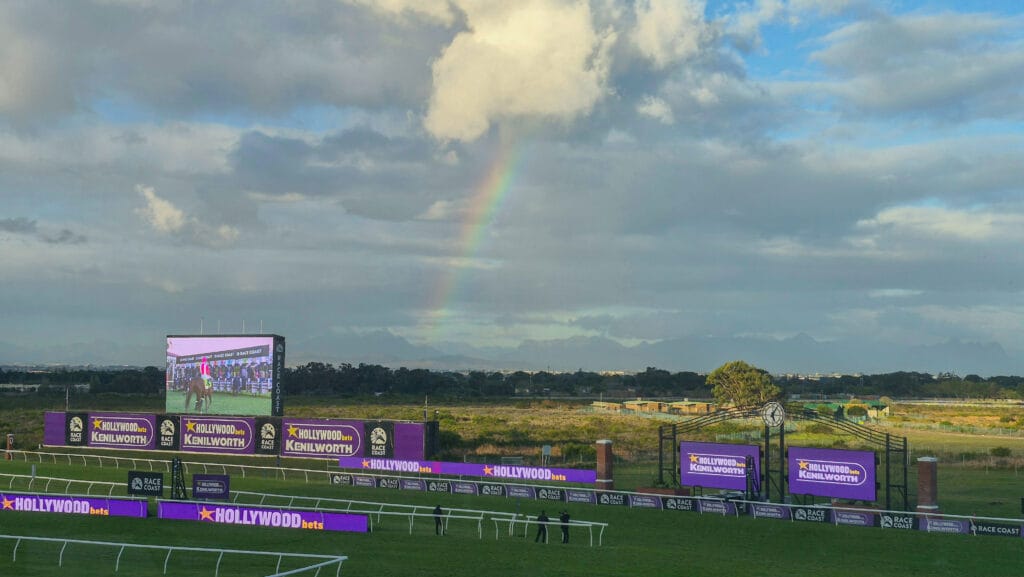
And then an afternoon at Hollywoodbets Kenilworth, where we saw a Betway sponsored horse win a race underwritten by LuckyFish Betting.

We’re all good. It’s not a problem. (It really is a problem.)

That said, if you have things under control and you set your limits and stick to them, you can still have fun and come out richer than when you went in. Which I did, and which was nice.

A real pot of gold at the end of that rainbow then, mostly likely guarded by a leper or a unicorn*.

Pretty good way to spend a pretty good South African day.

Quick Skink

After a visit to UCT this morning for an informative wander around their open day, with United playing at 4, and a dinner out at 7, I’m quickly putting something here.

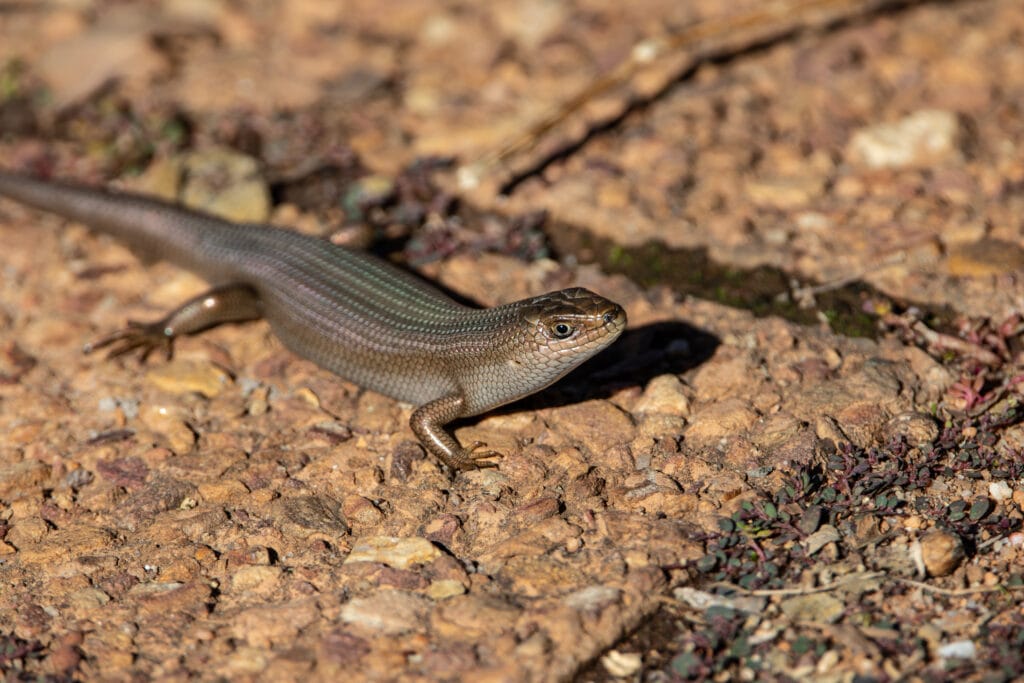
And the thing is (probably) my favourite local lizard, a Cape Skink (Trachylepis capensis). They’re just such gentle, friendly, inquisitive creatures.

This one was at Kirstenbosch, not one of our back garden family. But equally friendly.

Anyway, footie calls.

More tomorrow.

Unclogging the water

On our recent trip braving the raging waters of the Breede River (it really wasn’t that ragey, if I’m honest), one thing we did notice was a lot of Water Hyacinth (Pontederia crassipes – formerly Eichhornia crassipes). This fast-growing invasive alien is actually really bad news for the Breede and every other South African waterway that it invades. It’s categorised as NEMBA 1b:

NEMBA Category 1b invasive species are high-priority alien plants or animals in South Africa that must be controlled, and wherever possible, removed and destroyed. Landowners are legally obligated to manage these species under an invasive species management program. They cannot be planted, traded, or kept without a permit.

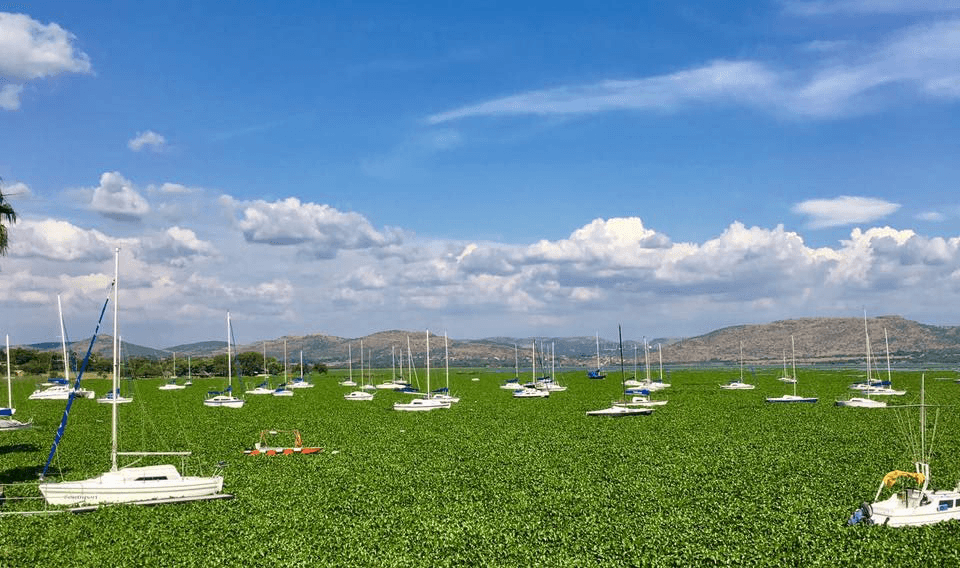
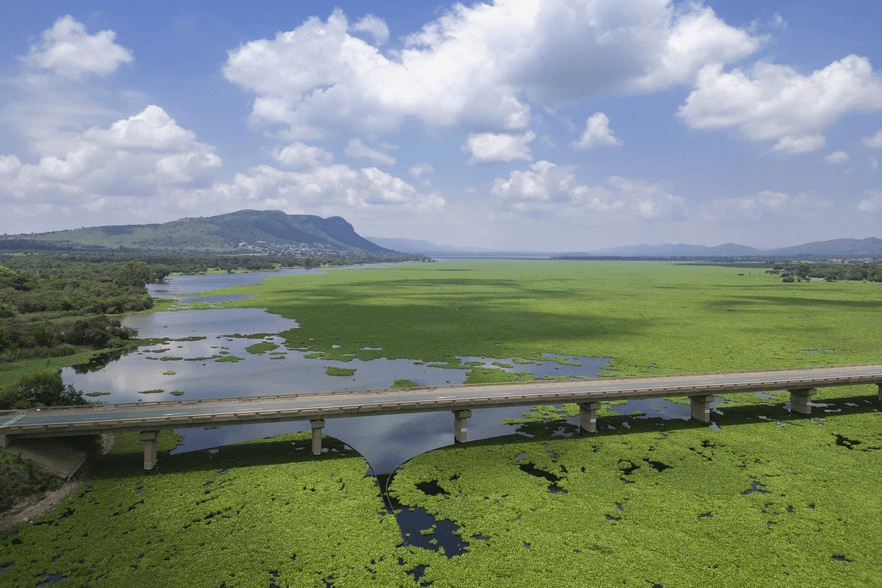
Native to the Amazon, it’s been around in South Africa since the 1960s, but hit the headlines in recent years with the huge issues that it has caused at Hartebeespoort Dam, up country.

Hypereutrophication, caused by run-off of agricultural fertilisers and wastewater treatment effluence led to an abundance of nitrogen and phosphorus, and made it an ideal environment for hyacinth to thrive. Not only did it physically choke the dam, but the effects of the water surface coverage caused “dead zones”, exacerbated by the presence of toxic cyanobacteria.

It’s nowhere near that bad on the Breede – yet – but every little crevice at the side of the river, and every little eddy behind the rocks had at least some of it making its home. And you could see how easily it spreads, with small pieces breaking off and floating downstream to find a new spot to settle, regenerate and then repeat the cycle.

So what can be done?

You can kill it with fire herbicides. After all, it’s just a plant. Of course, the problem with this approach is that everything else around gets herbicided as well. By definition, these are nasty, toxic chemicals, and not really something that you want to be chucking into your waterways, effective as they are at killing the hyacinth. It’s a far from ideal solution.

And you can dredge it out. Because it floats on the surface of the water, it’s not too hard to get underneath the plants and load them onto a barge. But the sheer scale of the problem and the speed with which the hyacinth grows and spreads make this a tall order, and the specialist equipment and time required make it very expensive.

In Kenya, they’re still using this approach, albeit by hand, and not by mechanical means. Dredging it out of the rivers and lakes, and using it as a biomass fuel to generate heat and biogas for use in the local areas, and even utilising the plants’ stringy, fibrous consistency to make packing and packaging materials as alternatives to plastic.

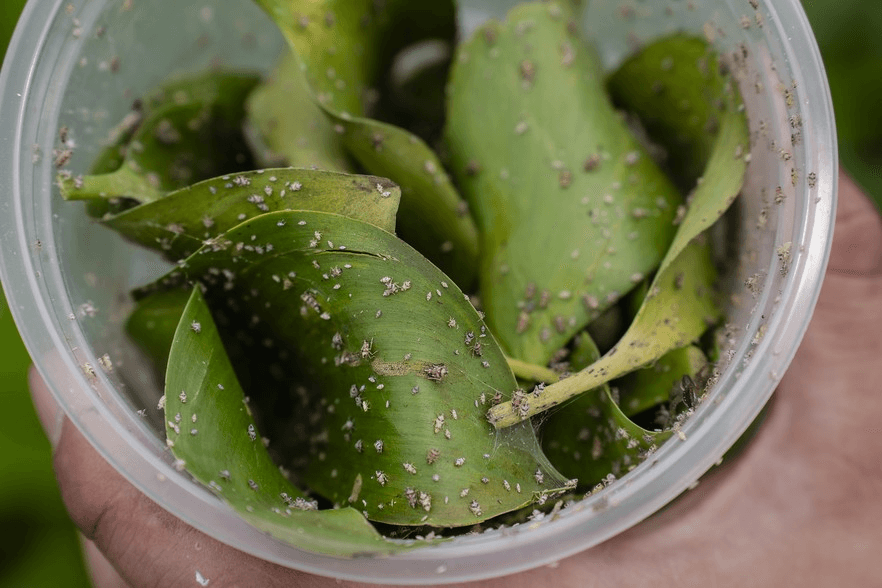
That hasn’t proven effective in South Africa. But there is good news on the Hartebeespoort issue. A team from Rhodes University has developed a biological control: the planthopper Megamelus scutellaris.

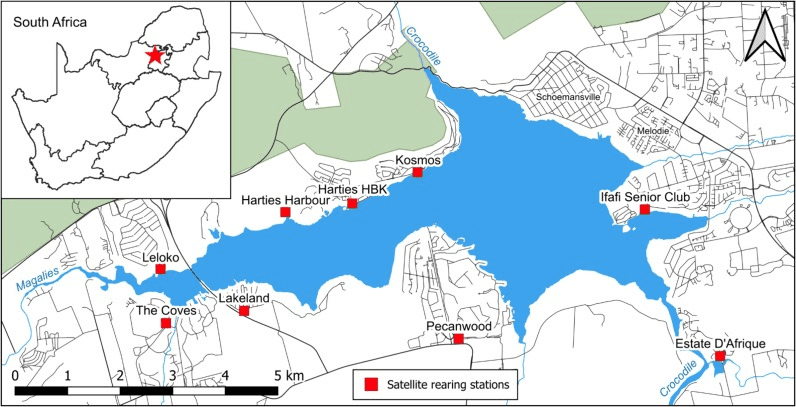
It’s been used elsewhere in the world to effectively control P. crassipes, and it’s been introduced as part of a community and stakeholder engagement programme on the Hartebeespoort, with satellite rearing and release stations dotted all around the perimeter of the dam.

And it’s slowly but surely working. Hyacinth seeds remain viable for up to 20 years, and so there is no quick fix, but the programme is lowering the seed load each year by stopping the plants from blooming.

Additionally, nanobubble technology is increasing the saturated oxygen and lowering the amounts of nitrogen and phosphorus in the water, making it a less attractive site for invasive plant growth. Every little helps.

We’re getting there: on Hartbeespoort, at least.

Hopefully, these efforts can be transferred to the Breede and other areas to stop the hyacinth before it becomes the problem that it has up North.