China Power Pics

Not a pro-China post. But also, yeah, a bit of a pro-China post.

China might be one of the world’s most polluting countries, but it’s also investing really heavily in wind and solar power, and the stats are nuts:

  • Last year China installed more than half of all wind and solar added globally. In May alone, it added enough renewable energy to power Poland, installing solar panels at a rate of roughly 100 every second.
  • As of late 2025, China leads the world in renewable energy, with total installed capacity exceeding 2,200 GW, making up 59.1% of its total power generation capacity.

2,200GW of renewables is huge. In comparison, South Africa has a TOTAL theoretical power output of 48.5GW. And that’s when it’s all working, which it never is, so we have an actual total power output of about 32GW.

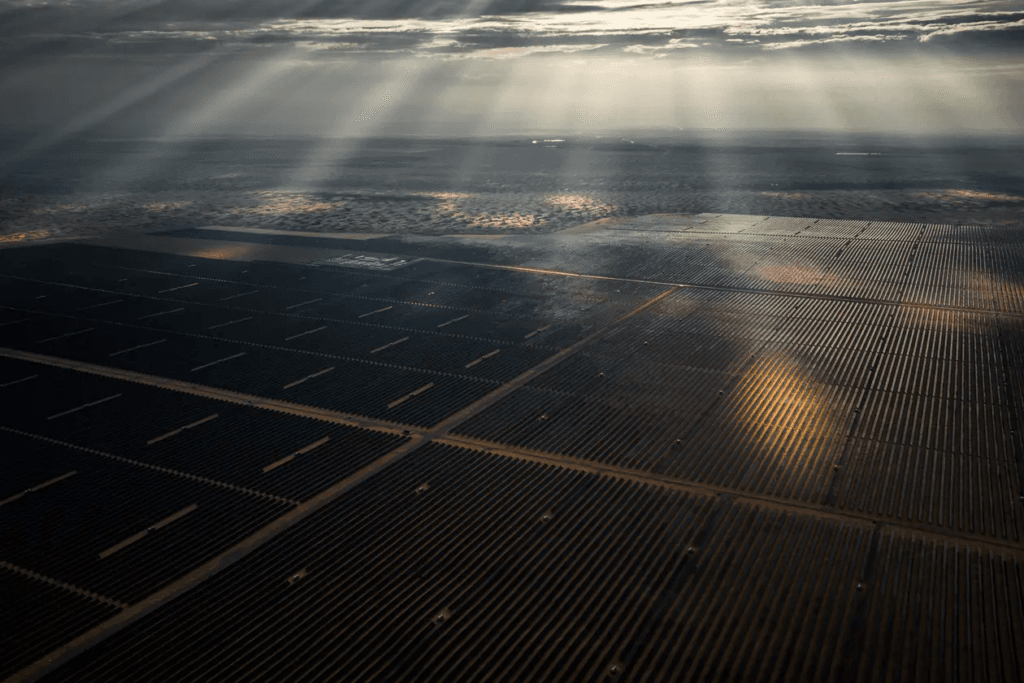
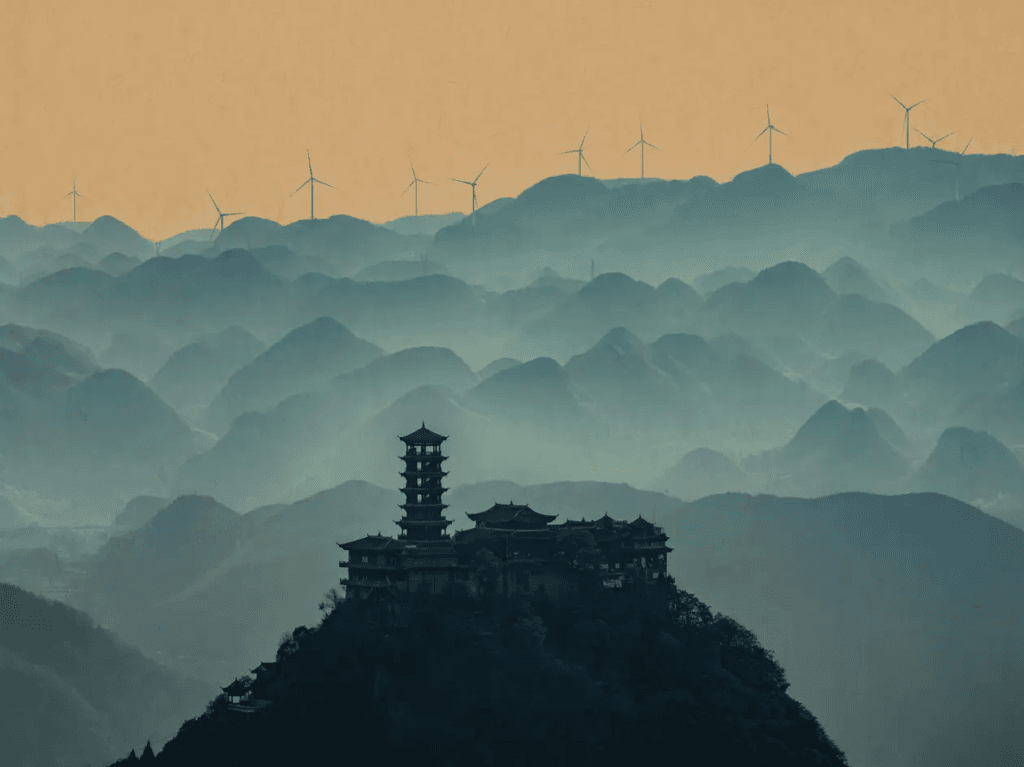
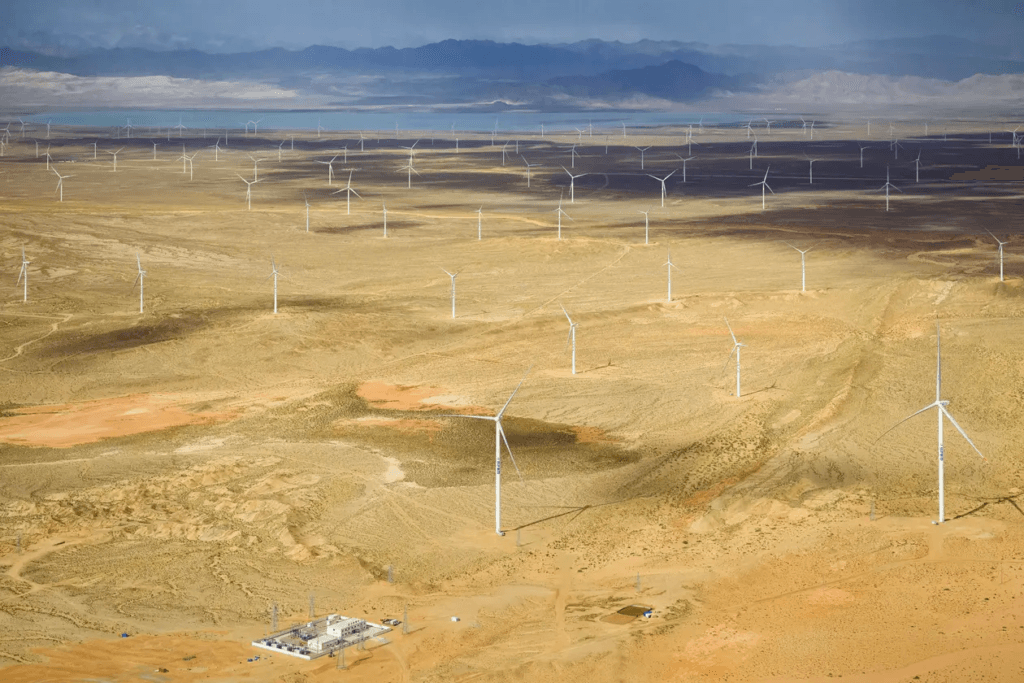
Drop in the ocean stuff. But then – because this is the reason for this post – just look at the infrastructure that’s going into China’s renewable energy drive.

“From the ground, it’s hard to grasp the scale of these power plants,” said Chinese photographer Weimin Chu. “But when you rise into the air, you can see the geometry, the rhythm — and their relationship with the mountains, the desert, the sea.”

Chu has spent three years capturing the shift underway using drones to photograph power plants from overhead. His work, which draws from the visual language of traditional Chinese ink paintings, was featured last year in an award-winning exhibition, presented by Greenpeace.

Look, this can only be a good thing for the rest of the world’s air quality and attempts to slow down climate change. It might be less good for the global geopolitical situation in the future, but then things are looking pretty ropey on that front right now anyway.

More photos on that link above, and more information about China’s journey into the renewable energy space, here.

Still pretty, still pricey

Cape Town doesn’t look its best today.

It looks like a scene from a disaster movie, with floods, broken trees, branches and damaged buildings everywhere.

We did get completely battered by yesterday’s storm.

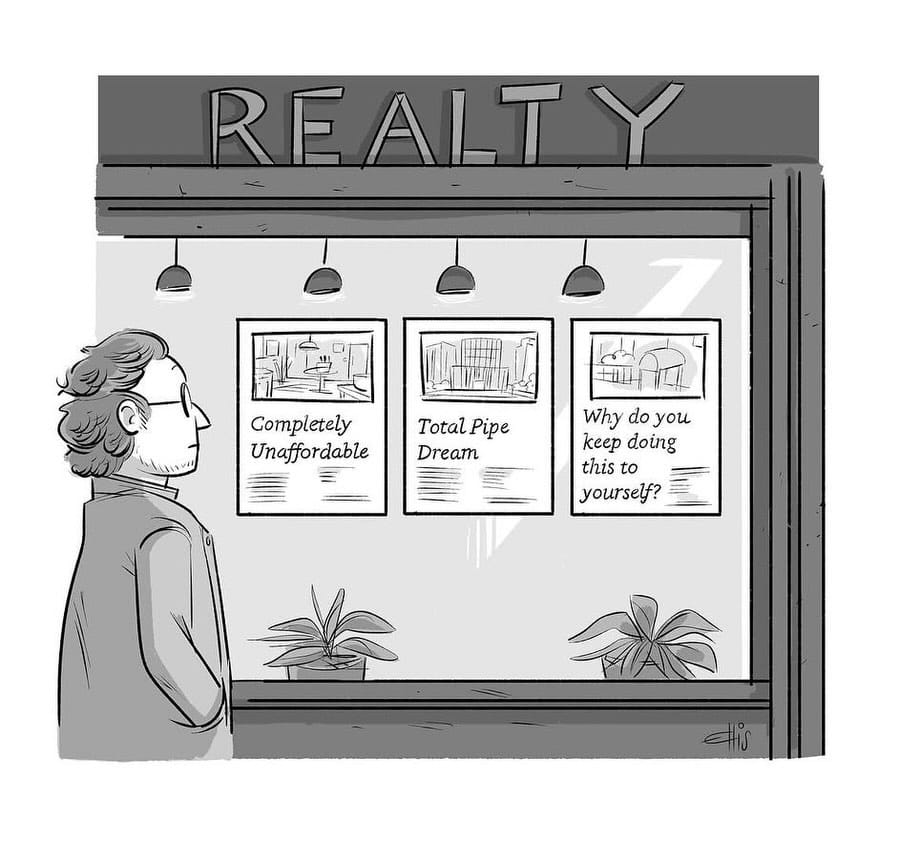
But… give it a couple of weeks (ok, or maybe a month), and all that will be tidied up and forgotten about, and Cape Town will still be the most desirable city on the continent.

Which has its drawbacks:

But still, you’d rather be here than anywhere else.

Unclogging the water

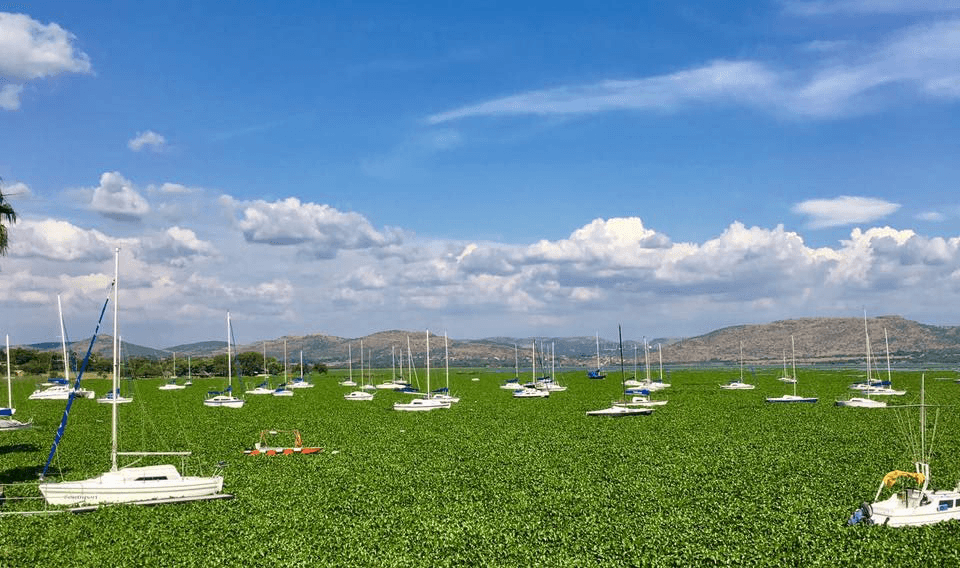
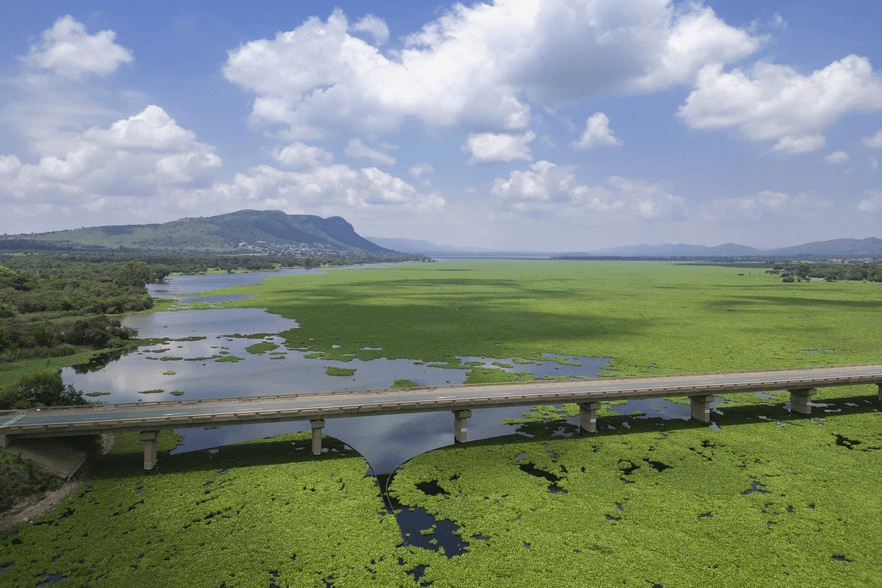
On our recent trip braving the raging waters of the Breede River (it really wasn’t that ragey, if I’m honest), one thing we did notice was a lot of Water Hyacinth (Pontederia crassipes – formerly Eichhornia crassipes). This fast-growing invasive alien is actually really bad news for the Breede and every other South African waterway that it invades. It’s categorised as NEMBA 1b:

NEMBA Category 1b invasive species are high-priority alien plants or animals in South Africa that must be controlled, and wherever possible, removed and destroyed. Landowners are legally obligated to manage these species under an invasive species management program. They cannot be planted, traded, or kept without a permit.

Native to the Amazon, it’s been around in South Africa since the 1960s, but hit the headlines in recent years with the huge issues that it has caused at Hartebeespoort Dam, up country.

Hypereutrophication, caused by run-off of agricultural fertilisers and wastewater treatment effluence led to an abundance of nitrogen and phosphorus, and made it an ideal environment for hyacinth to thrive. Not only did it physically choke the dam, but the effects of the water surface coverage caused “dead zones”, exacerbated by the presence of toxic cyanobacteria.

It’s nowhere near that bad on the Breede – yet – but every little crevice at the side of the river, and every little eddy behind the rocks had at least some of it making its home. And you could see how easily it spreads, with small pieces breaking off and floating downstream to find a new spot to settle, regenerate and then repeat the cycle.

So what can be done?

You can kill it with fire herbicides. After all, it’s just a plant. Of course, the problem with this approach is that everything else around gets herbicided as well. By definition, these are nasty, toxic chemicals, and not really something that you want to be chucking into your waterways, effective as they are at killing the hyacinth. It’s a far from ideal solution.

And you can dredge it out. Because it floats on the surface of the water, it’s not too hard to get underneath the plants and load them onto a barge. But the sheer scale of the problem and the speed with which the hyacinth grows and spreads make this a tall order, and the specialist equipment and time required make it very expensive.

In Kenya, they’re still using this approach, albeit by hand, and not by mechanical means. Dredging it out of the rivers and lakes, and using it as a biomass fuel to generate heat and biogas for use in the local areas, and even utilising the plants’ stringy, fibrous consistency to make packing and packaging materials as alternatives to plastic.

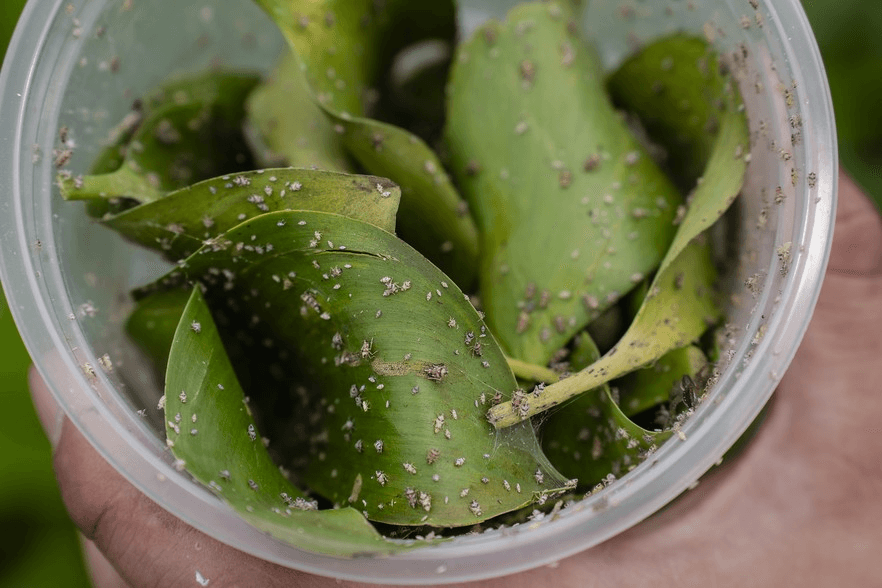
That hasn’t proven effective in South Africa. But there is good news on the Hartebeespoort issue. A team from Rhodes University has developed a biological control: the planthopper Megamelus scutellaris.

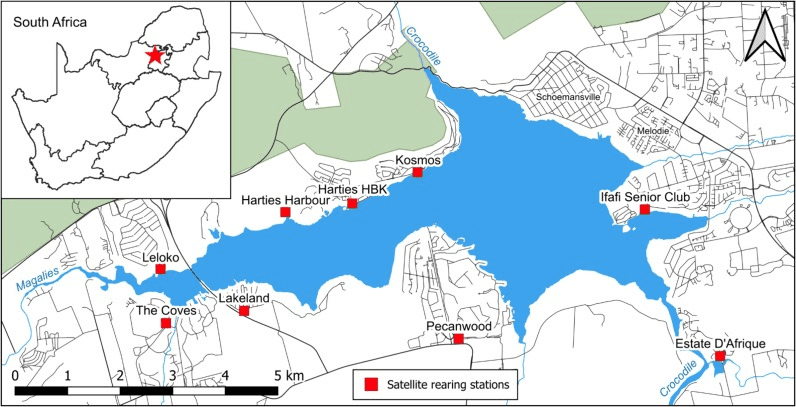
It’s been used elsewhere in the world to effectively control P. crassipes, and it’s been introduced as part of a community and stakeholder engagement programme on the Hartebeespoort, with satellite rearing and release stations dotted all around the perimeter of the dam.

And it’s slowly but surely working. Hyacinth seeds remain viable for up to 20 years, and so there is no quick fix, but the programme is lowering the seed load each year by stopping the plants from blooming.

Additionally, nanobubble technology is increasing the saturated oxygen and lowering the amounts of nitrogen and phosphorus in the water, making it a less attractive site for invasive plant growth. Every little helps.

We’re getting there: on Hartbeespoort, at least.

Hopefully, these efforts can be transferred to the Breede and other areas to stop the hyacinth before it becomes the problem that it has up North.

Viral pun

Our petrol prices in SA are regulated, meaning that everyone knows exactly what they will pay for a litre of the good stuff. And each first Wednesday of the month, the price goes up or down, depending if there has been an under or over recovery in the previous 4 weeks, given the price of oil and the USD/ZAR exchange rate.

Brent crude has climbed from about $69 to over $115 a barrel, while the rand has weakened sharply against the US dollar, slipping from around R15.85 to above R17.00.

It’s going to go up this month. Surprise, surprise.

It’s going to go up by a lot.

As it stands, and assuming there is no last-minute government intervention, month-end data from the Central Energy Fund is pointing to petrol price increases of between R5.31 for 93 Unleaded and R5.82 for 95 Unleaded. Diesel looks set to increase by between R10.13 in the case of 500ppm and R10.27 for the cleaner 50ppm.

A R10.27 increase for diesel is quite literally (in fact, almost exactly) 50%. I didn’t need diesel today, but I went and bought some anyway, because tomorrow will be a disaster at the fuel stations, and 50% of not very much is still quite a lot. I saved R360 by topping up this morning. That’s the price of 12 litres of Castle Milk Stout.

Priorities, ne?

“Fortunately”, President Ramaphosa is on the case.
(The war has only been going on for a month and a bit.)

He confirmed that a ministerial task team has now been established to examine how the country can be shielded from the economic fallout of the war.

It can’t. We’re part of a global economy. We’re all buggered.

It has been reported that the task team’s work will go beyond fuel price alone. “It is quite urgent, yes, with a quick turnaround, but the scope of what they will be looking into is broader,” one insider said.

“They are not just looking at fuel prices; they are tasked with looking at the whole geopolitical situation and its implications for the country.”

OK, but can’t we just do the fuel price thing first so that there is a country left for there to be implications for? Because I think that the whole situation is going to head south (no pun intended) very quickly if we can’t sort just about the only thing that the government has control over, somewhat rapidly.

Meanwhile, I guess it’s time to start walking again.

Everywhere.