Snake Take 2

Busy day? Busy evening? Quota photo time.

And it’s back to San Bona to a Cape Cobra (Naja nivea) (nothing to do with skin cream) which the rangers had found near the main entrance of the camp and were going to relocate to some distance safely away from the main entrance of the camp.

But not without showing the tourists first. When brought out of the box they’d placed him in, and (ever so) gently manoeuvred with the snake hook, he reared up to give us a proper display.

Bigger on black here.
More San Bona here.
More recent snake here.

Thank you rangers.
Thank you snake.
Good morning Yvonne.

See you tomorrow.

On the beach

On a morning when nothing actually really mattered, I took the boy to do some karate on the beach.

The karate class organise a couple of these Gashikus each year. This time it was on Fishhoek beach, and the kids really seemed to enjoy themselves again. If you’re here from the karate class, you need to head to their Facebook page for more pics. You know where it is. If you want to see some photos of other stuff, then head to my Flickr.

Mines

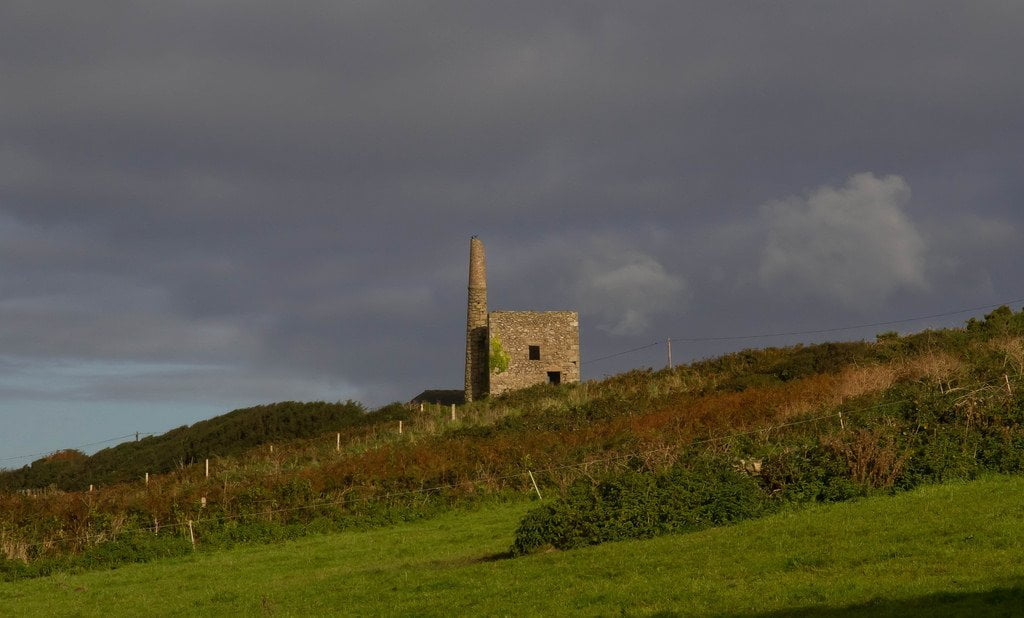
Browsing through Flickr, I found this photo by Keren Wormwell – who I have always presumed (possibly correctly) as being the partner in crime of Chris Wormwell, who has featured previously on the blog.

tinmine

That’s a tin mine in Cornwall. Cornwall has many similarities with the Isle of Man in both landscape and culture. In fact, there’s a broad swath of similar areas running up from Brittany, through Cornwall, West Wales, Ireland and up into the Scottish islands. Perhaps united by their Celtic roots, and sharing similar language and lifestyles, if you were dropped in one or other of them, you’d have to do some detective work to find out exactly where you were.

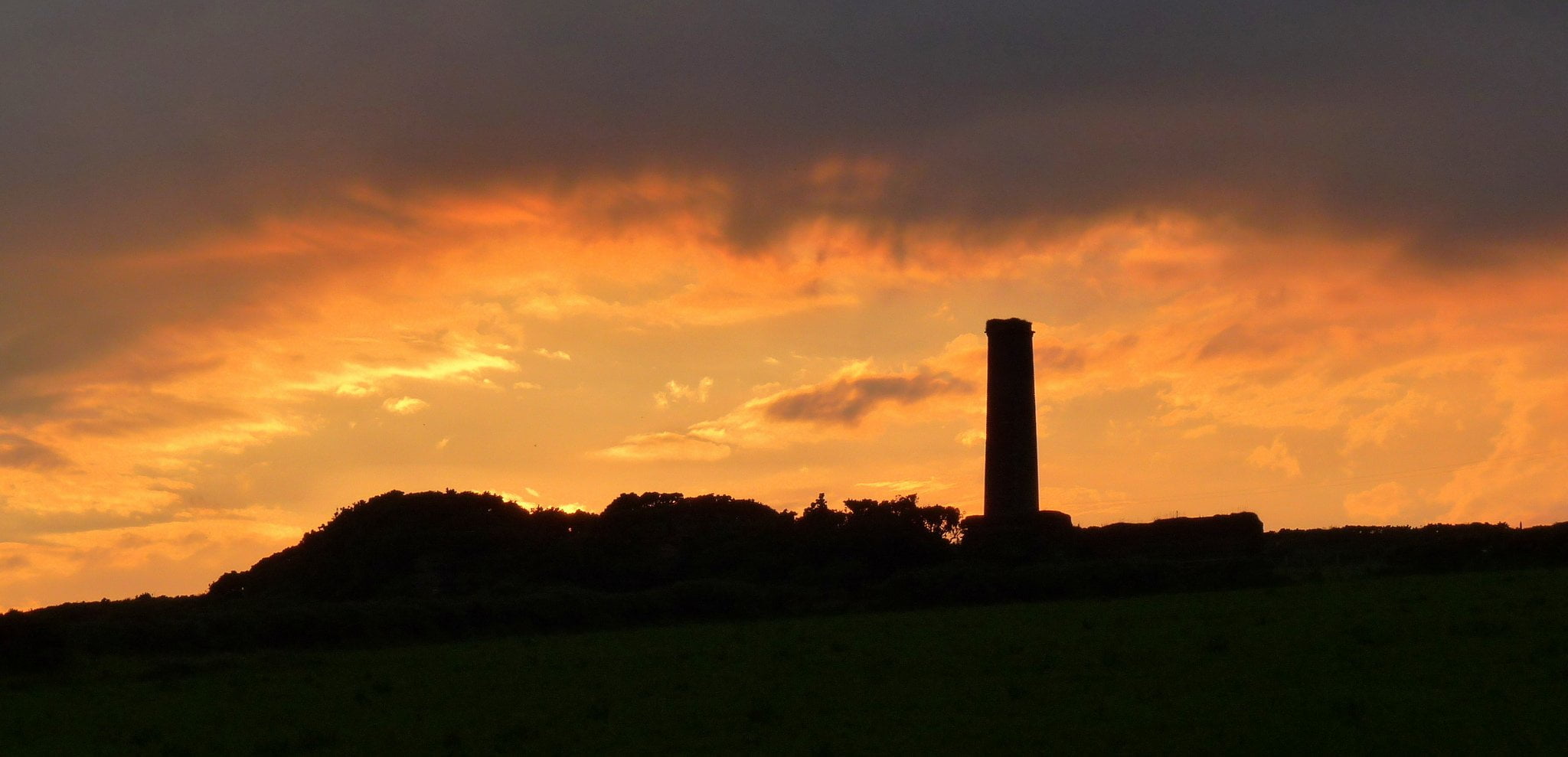
Mining is another thing that joins Cornwall and the Isle of Man. Except in Cornwall it was tin and copper, and in the Isle of Man, it was lead. But the remains are dotted all across the landscapes of both. Here’s the chimney at Ballacorkish mine, a photo I was reminded of by Keren’s:

7603480376_599ed75ba2_k

The mine chimneys were used to pull air through the mine. A fire was lit at the bottom of the shaft (under the chimney) and the hot air rising up the chimney drew air in from the horizontal tunnel (called an adit), keeping the miners suitably oxygenated. Later mines used steam engines, which also utilised chimneys.

But still, my point is this: every mine chimney in Cornwall is circular. Every one on the Isle of Man is square. You’d think that there would be one common, best way of building chimneys. It seems strange that the Manx and Cornish builders would do things so very differently. Maybe it had something to do with the quality of the building materials available.

Damn View

Dad and I went for a walk in the Peak District this morning. Some fresh air and exercise to blow the cobwebs of the last few days away. We parked up at the delightfully named “Cutthroat Bridge” (map) and headed up onto Bamford Edge, where, despite the smoke from the nearby heather burning (sorry heather), we got some lovely views over the Ladybower Reservoir:

9km and a few hours later, all autumn-coloured out, and having traversed quite a lot of bogland and negotiated a whole barbed wire fence, we made it back to the car, upon arriving at which we almost instantly decided that a pint at the historic Strines Inn was called for. And who are we to ignore that sort of calling?

I have tacked the photos from the morning onto those already in this album. The Vernal/Autumnal Cross-Hemispherical Juxtaposition therein makes for some interesting viewing. See if you can see the join…