That Nokia SMS tone is hard to find

You know the one that you used to have on your 3310: the DeDeDe-DerDer-DeDeDe one. The one which is actually Morse code for SMS.
In a moment of nostalgia, my Dad asked me to find it for his new Samsung. But it was a whole lot more difficult than I imagined. Too many crappy remixes and too much false advertising in the murky world of internet ringtone marketing sites.
And then there was this Soundcloud page, with all the old Nokia ringtones on (but not the Morse code SMS tone), which delayed us for another fifteen minutes (but those memories!).

Anyway, we finally found a copy, and as soon as I am near a decent uploading platform (tomorrow), I will share it on here. ‘TIS DONE – DOWNLOAD IT HERE! All new and shiny and cleaned up a bit as well!

Meanwhile, if you’re in or around Sheffield and you hear that olde worlde DeDeDe-DerDer-DeDeDe sound, it’s probably just my Dad being a bit of a hipster.

A different kind of transplant

When all else fails, (and make no mistake, all else is failing), comes the time to think outside the box. Some might argue that the time to think outside the box should come before all else fails, and they are probably correct in that, but that’s another argument.

We are slowly, surely, insidiously returning to a pre-antibiotic age. The antibiotics that we have are becoming less and less effective against common infections and consequently, those common infections are starting to kill us again. One such infection is Clostidium difficile (so “difficile” in fact, that we microbiologists even disagree on how to pronounce it, so it’s “C.diff” to its friends) – a gastrointestinal bug that gives you horrendous – and now incurable – diarrhoea. This bug kills 14,000 Americans each year, and lengthens the hospital stays of hundreds of thousands of others.

But while supportive therapy might help treat the symptoms, with no antibiotics available to treat the cause, we stay losing.
Until now:

…researchers have discovered an alternative: A donor’s stool can be transplanted in the intestine or colon of a sick patient via an enema,colonoscopy or nasogastric tube. The healthy bacteria fight off C. diff and re-establish a normal community in the gut.

Yep. Poo transplants. Regular (Lolz) readers may recall that we’ve had a quick look at this before, and then yesterday evening, this NYT article arrived from a medically qualified friend on Facebook, complete with smiley face attached.

It’s all about the world’s first “Stool Bank” and it’s beautifully written:

Around noon on a recent Friday, Donor Five, a healthy 31-year-old, walked across M.I.T.’s frigid, wind-swept campus to a third-floor restroom to make a contribution to public health.

Less than two hours later, a technician blended the donor’s stool into preparations that looked like chocolate milk. The material was separated and stored in freezers at an M.I.T. microbiology lab, awaiting shipment to hospitals around the country. Each container was carefully labeled: Fecal Microbiota Preparation.

There are issues though. The FDA are struggling to provide any sort of clarity on licensing of the treatment, meaning that donor poo can’t be sold for profit at the moment. And we know that large pharmaceutical companies are (understandably) reluctant to follow up on these things if there’s no money in them (another argument again).
Until the regulations are established, the research and the treatment can’t gain traction, but that’s not the biggest problem here. Because while there’s no traction in the research and treatment, people are taking matters into their own… er… hands: there exists the danger of an unregulated, unsafe Black… [shurely “Brown”? – Ed.] Market:

“People are doing fecal transplants in their basements and may not be doing any of the right screening or sterile preparation. We need an intermediate solution until there are commercial products on the market.”

What you get up to in your basement is entirely your business. Literally, it would seem in this case. But, even with my limited medical expertise, I would strongly advise against homemade faecal transplants.

Rather get a qualified doctor to fill your colon with someone else’s (screened) poo, should the need arise.


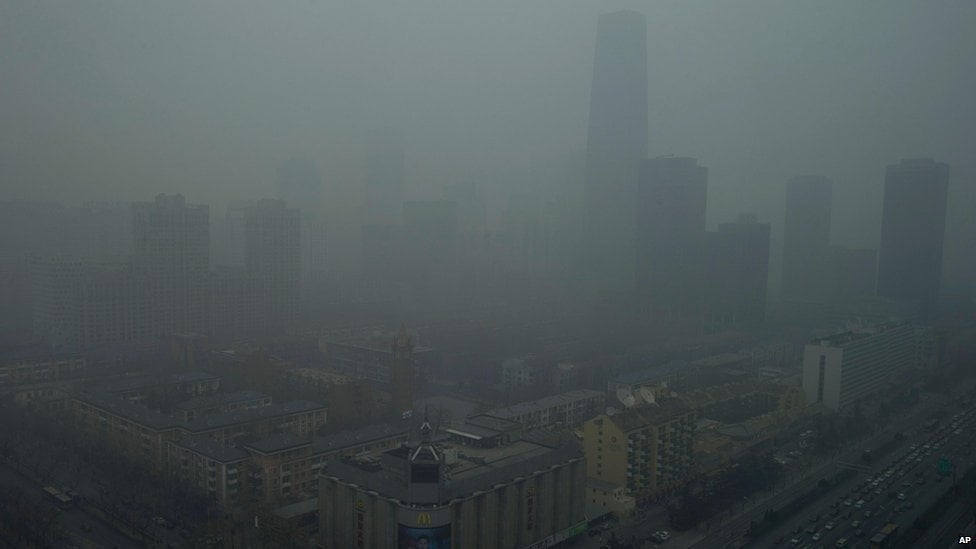
1,300 different sorts of bugs found in Beijing smog

Here’s one I meant to blog earlier:

beismog

Beijing’s smog problem has long been talked about, but now it’s not just the unpleasant chemicals and particulates that are out to get the local population: a recently published study found shedloads of microbes were hitching a ride on the smog as well.

Chinese researchers have now used genome sequencing to identify about 1,300 different microbial species in an exceptionally soupy smog that hit Beijing in January 2013. Reassuringly, most of the microbes they found are benign — but a few are responsible for allergies and respiratory disease in humans. And on days with heavier pollution, the proportion of DNA from these allergens and pathogens increased, suggesting that they might present an additional health threat to vulnerable groups, such as older people or those with weakened immune systems.

It should be pointed out that this was a search for genetic material in the air samples, and while that means that you’re more likely to find anything that’s there, a positive result does also mean that the microbes could be either alive or dead. Spoiler: Dead ones are less likely to infect you. Either way, you really don’t want to be breathing them in.

The most abundant species identified was Geodermatophilus obscurus, a common soil bacterium. But they also found Streptococcus pneumoniae, which can cause pneumonia; Aspergillus fumigatus, a fungal allergen; and a range of other bacteria typically found in faeces. 

Nice.

Interestingly, the proportion of the bugs found are similar to those found in a similar survey done in Milan, Italy. Despite the fact that these cities are halfway around the planet from one another, the microbes are essentially the same.

And the other point to note was that microbe levels increased on smoggier days. Which, given that we have some quite smoggy days here in Cape Town is worth bearing in mind if you have asthma or some other respitatory disease.
And you’re here.
On a smoggy day.

Temperatures scales explained

A temperature-related conversation on Twitter earlier today reminded me that I’ve been meaning to post this helpful guide to the differences between the three main temperature scales:

image

On that note, the rest of the week in Cape Town is looking dangerously hot whichever scale you choose, with Friday baking us all and Saturday melting us with some sickeningly Durbanesque humidity.