Interview/Photos

Yeah. Dull title. But some of these images are incredible. It’s Dutch ‘tog Albert Dros being interviewed for the ‘creativity and culture’ site MyModernMet.com, all about his love for Greenland (which doesn’t belong to anyone orange, remember).

And while Albert waxes lyrical about the landscapes and the ‘eternal inspiration’ he finds in Greenland, it’s the photos that help you to understand exactly how beautiful the place is.

But as we know, there’s a whole lot more to these images than just turning up to somewhere beautiful and pressing a shutter button, it takes planning to make something so simple work so well:

Our photography workshops have something unique: our sailboats with red sails. They were introduced by a friend of mine, Daniel Kordan, many, many years ago. He came up with the idea of using red sails in contrast with the blue icebergs, an art concept that we now still use with great success. And no wonder, the photos are always spectacular.
We use our sailboats as scale elements for the icebergs. With the sailboat, you can really see how massive these icebergs are. Of course, I encourage everyone to not only photograph our red sailboats. Look at the spectacular beauty around, massive icebergs, but also closer details, the sled dogs, the atmosphere, the towns… I teach people to make a photo story with impact—the same as I do.

Dros’ ability and “his love of landscape photography and knack for visual storytelling” shines through in the article and on his social media, which I encourage you to visit.

I’ve never really considered Greenland as a destination, but it is apparently becoming more and more popular with tourists. Which is ok, as long as it is controlled. Because the beauty lies in the unspoiled wilderness, and we know that can be ruined rapidly by people trying to make a quick buck.

But let’s not let the ubiquitous downside detract from some absolutely stunning images, and the words of a guy who is clearly so passionate to share his knowledge and talent with others.
Did you make the list?

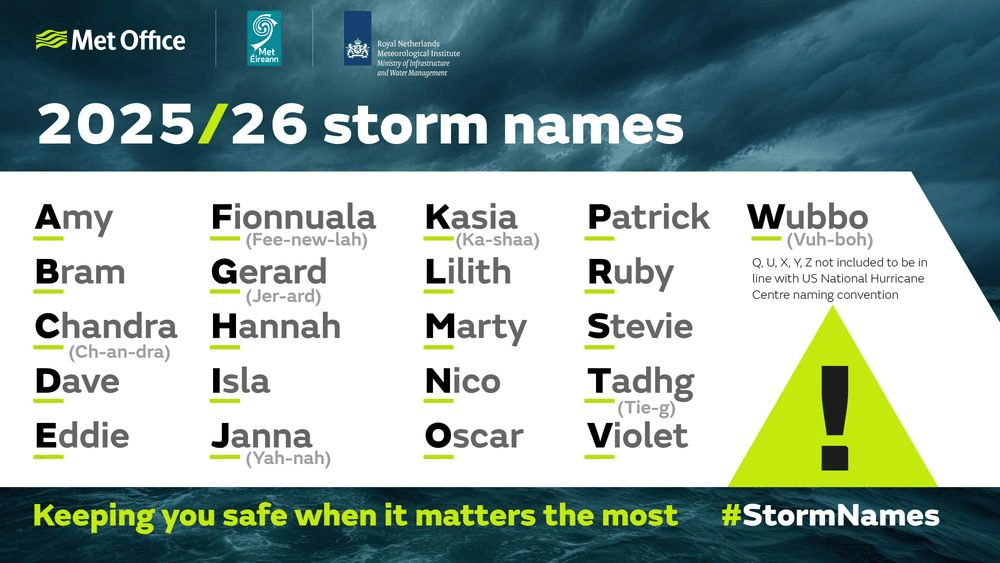
Which list? Well, the name of storm names for the UK, Ireland and the Netherlands for the 2025/26 season, of course!

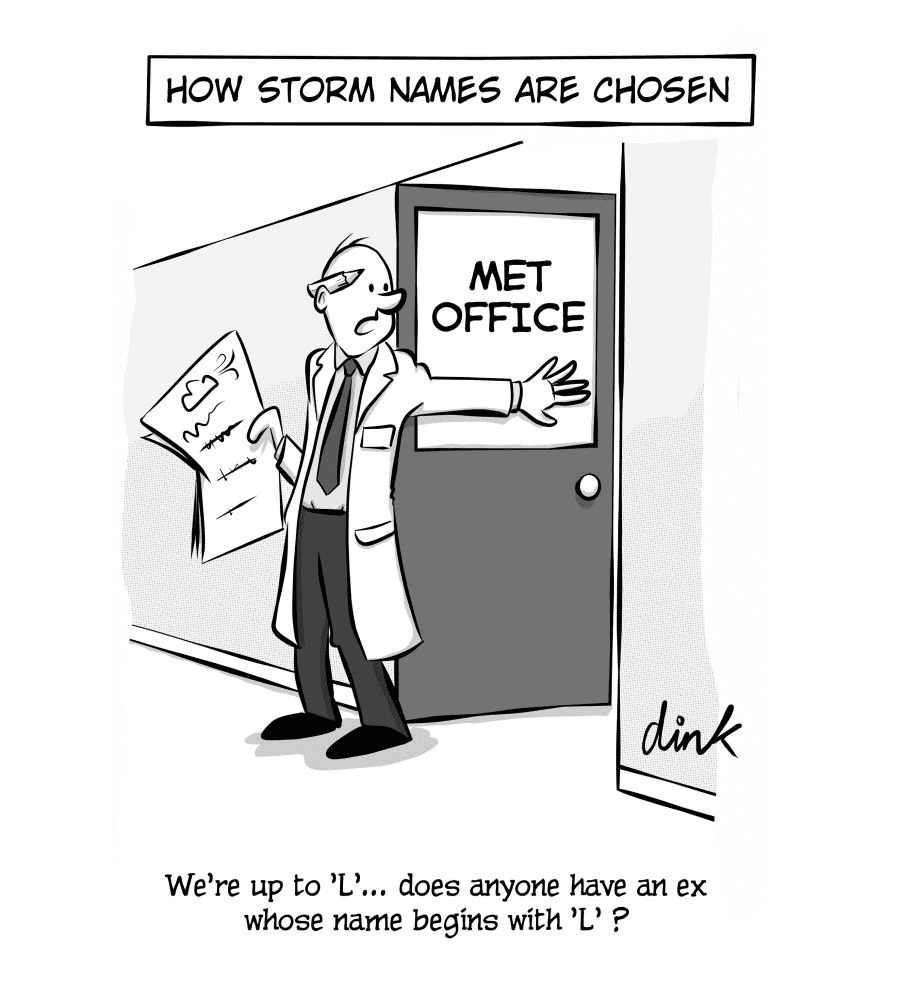
Some of them are clearly UK names, some are clearly Irish and some are clearly Dutch, and no-one seems really sure how they are chosen.

Although…

Hmm.

And there has been much comment on that last one: “Wubbo” – which of course, and as you can see, is pronounced “Vuh-boh”.

“I refuse to die in a storm called Wubbo,” stated one person ‘on the socials’, but to the Dutch, Wubbo is a famous name. Remember Wubbo Ockels – the first Dutch astronaut? His journey to space on the Challenger space shuttle (mission STS-61-A) in 1985 was made even more impressive than most, given that he probably had to start from below sea level, being from the Netherlands and all.

Amazing.

Mind you, if they do get through to Wubbo, that’ll be 21 major storms and that would be very bad news for those bits of Europe.

But you’d never rule it out because of Climate Change.

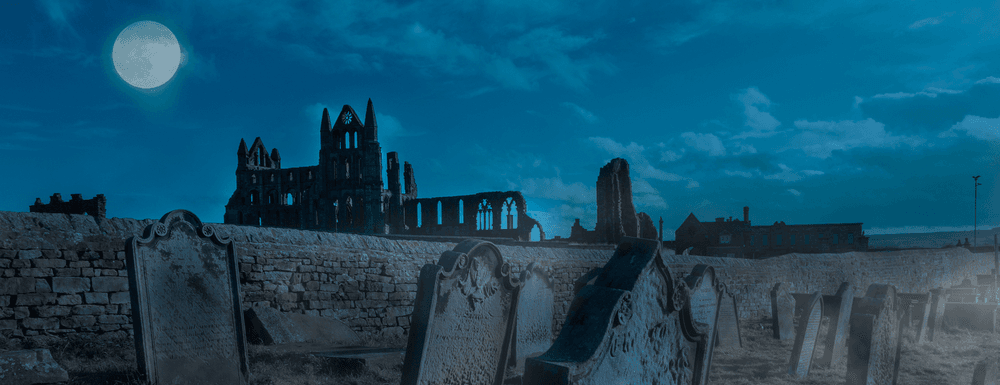
I note that there was no requirement to help us out with the pronunciation of “Dave” or “Eddie”. And I do wonder if Storm Bram (when it comes) will leave a mysterious shipwreck upon the beach at Whitby…

“But, strangest of all, the very instant the shore was touched, an immense dog sprang up on deck from below … and running forward, jumped from the bow on to the sand. Making straight for the steep cliff, where the churchyard hangs over the laneway to the East Pier … it disappeared in the darkness.
Also, please take care on the A171 Guisborough Road, where there are reports of a fallen tree.”

Beneath Budapest

A little pushed for time this evening, so please can I send you elsewhere (and request that you come back here again tomorrow)?

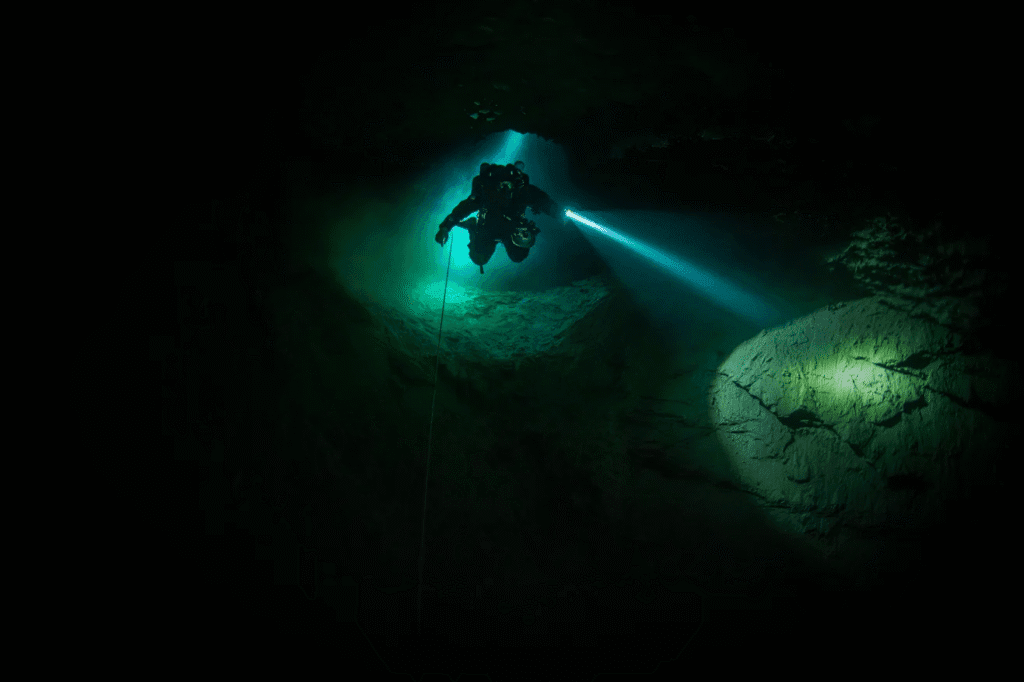
And the elsewhere is this CNN article on the hidden thermal caves beneath Budapest.

Some really interesting information:

Molnár János is still alive and growing. Water rich in hydrogen sulfide and carbon dioxide continues to percolate through the rock, creating a mildly acidic cocktail that eats at the walls. The result is a Swiss cheese labyrinth of chambers and passages.

And some stunning images:

I’ve been to Budapest a few times, and I had no idea about any of this.

I probably should have asked more questions.

What the zipper seal now?

It had been a long day, and I was tired. My eyes were tired.
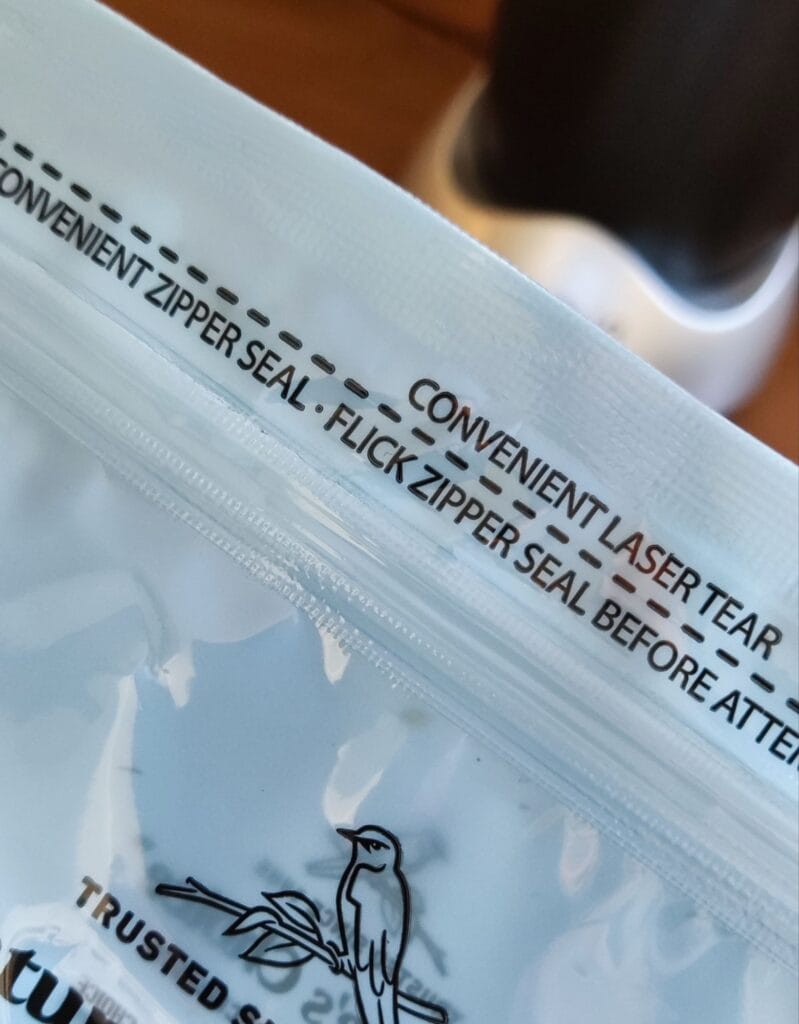
But I did a proper double take at the instructions on the top of this food package.

I’m not sure quite why I was supposed to FLICK the zipper seal before attempting to open it, but I’m glad that I checked on exactly what I was supposed to be doing before I tried either of the options I thought I might have read.

Today has been another long day, with Lightroom doing its best to make things worse. More crashes than a particularly bad driving school. Not its usual behaviour to be fair, but very, very frustrating.

(almost) A microbiologist’s dream

And I am being quite serious about this.

There are a few things that bugs and diseases are named after. The boring ones are the medical ones – just basically what the disease does to you or how it works. Tuberculosis gets its name from the bacterium that causes it, which in turn gets its name from the tubercules that it produces. Dull.

Then there are the ones named after places or events. I quite like the idea of those. Lyme disease is named after the town in Connecticut where it was first identified. Legionella – the causal agent of Legionnaire’s Disease – was named because it caused an outbreak at an American Legion conference in Philadelphia (incidentally in 1976 – just a year after Lyme Disease was named – woohoo mid-70s North East USA).

But if you want longevity in the microbiological world, you need a bug or disease named after you. There are loads of bugs that are named after people – the people are usually being the ones that discovered the bug. I used to work in an office next to Professor Sir Anthony Epstein, of Epstein-Barr virus fame. I guess that the name Epstein will live on in another context now (sadly still involving kissing teenagers), but that’s not the virologist’s fault.

Everyone who ever works with that bug will know that it is named after you: always. So it is a bit of a dream to have a microbe named after you in that way. If you’re a microbiologist.

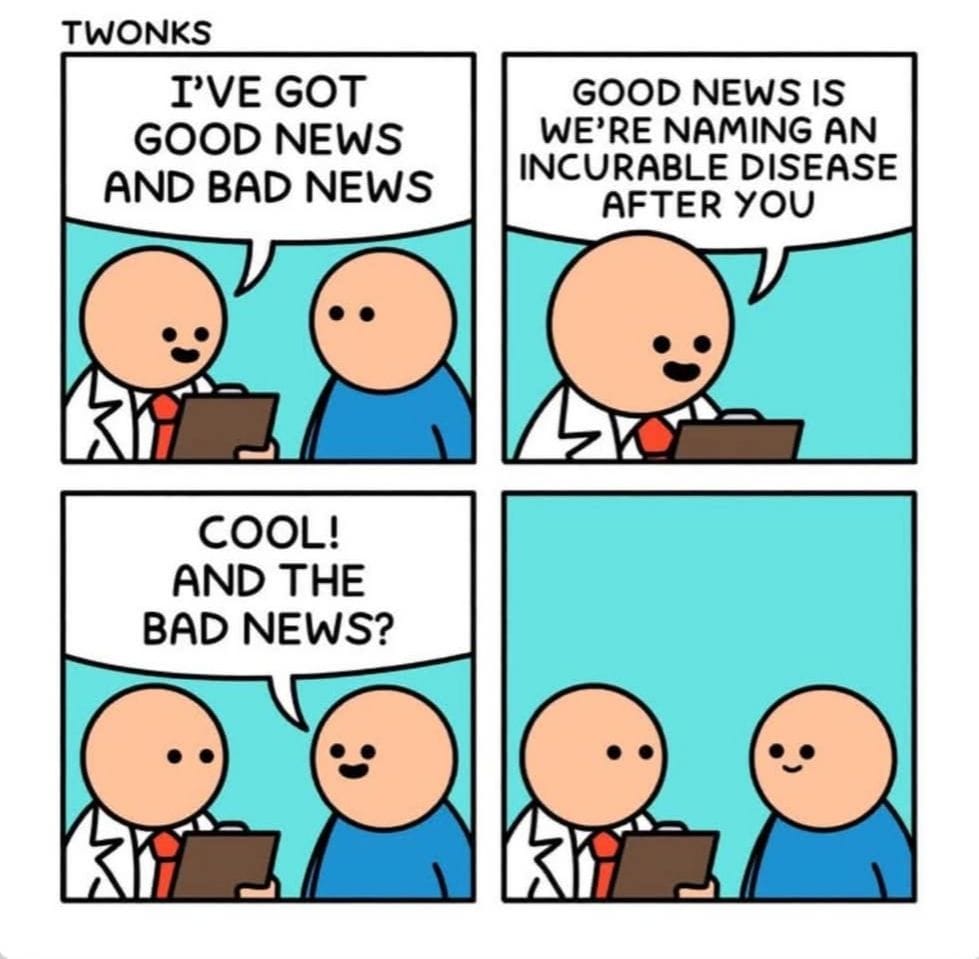
But then there are the eponymous diseases. And while you might also gain fame and longevity from having one of those named after you, it’s generally not a good thing, no matter how you try to spin it.

Yeah. There’s not much good that can come out of that sort of diagnosis.

So, no thanks. I’ll happily settle for the “he discovered it” route, rather than the “we’ve never seen this set of symptoms in a human before” one.